
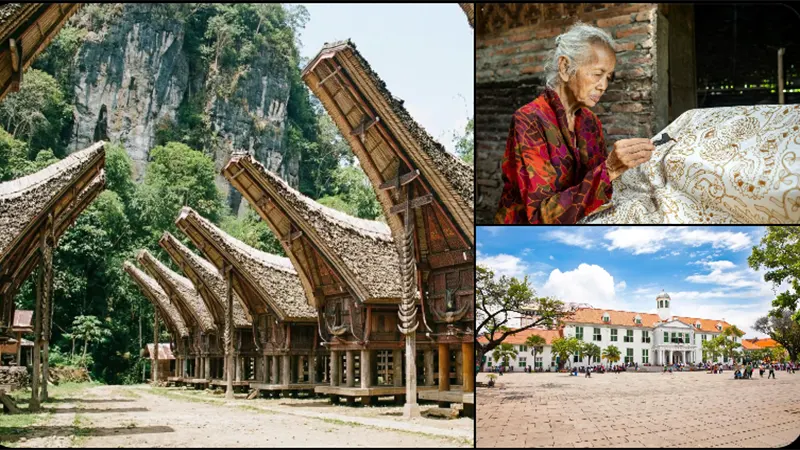
Indonesia is a country where culture is woven into everyday life. Across its thousands of islands, centuries-old architecture, traditional textiles, ancestral ceremonies, and regional cuisines reveal the remarkable diversity of the archipelago. For cultural enthusiasts, slow travellers, and food lovers, exploring Indonesia is not simply about visiting famous attractions. It is about understanding the stories, traditions, and communities that give each destination its identity.
From the traditional villages of Sulawesi to the royal batik workshops of Java and the historic streets of Jakarta, a cultural journey through Indonesia offers an opportunity to experience the country beyond conventional sightseeing.
Tana Toraja: Ancestral Traditions and Tongkonan Architecture
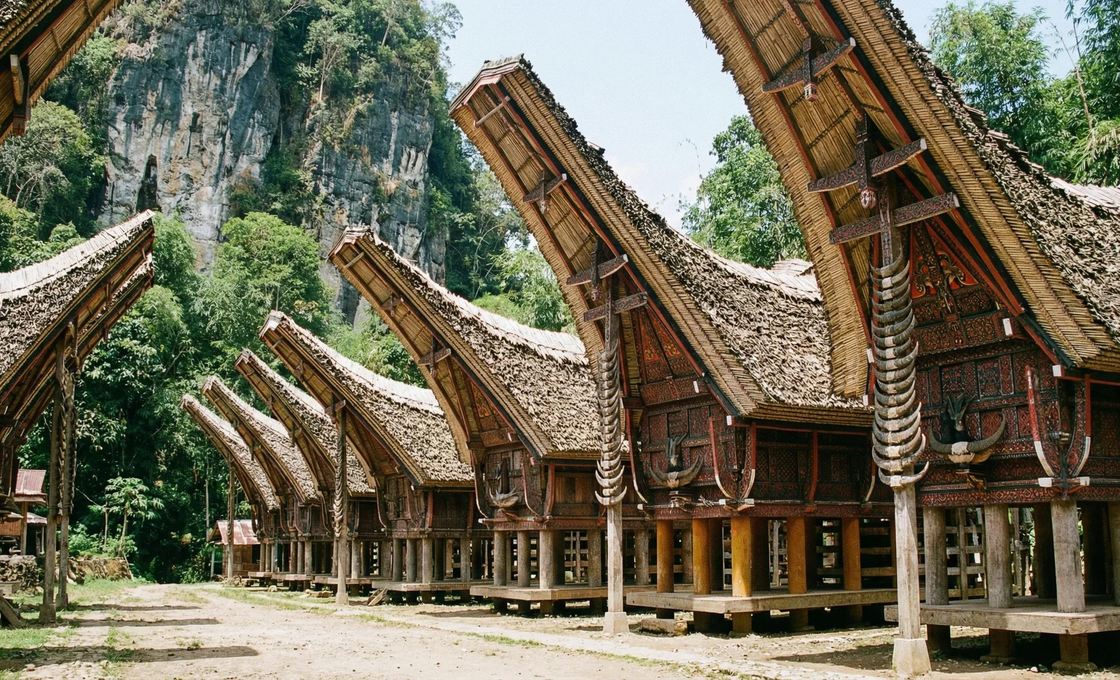
In the highlands of South Sulawesi, Tana Toraja is renowned for its distinctive architecture and elaborate ancestral traditions. Traditional houses known as Tongkonan feature dramatic curved roofs resembling boats or buffalo horns. Their decorated facades and carefully arranged family compounds reflect the importance of heritage, kinship, and social identity.
Torajan culture is particularly known for its elaborate funeral ceremonies, which can involve extended family gatherings, traditional music, symbolic rituals, and buffalo offerings. These ceremonies are meaningful community and family events rather than tourist performances.
Visitors should approach cultural experiences respectfully. Ask permission before photographing ceremonies or residents, follow local guidance, and remember that some activities are private or sacred.
Yogyakarta: The Living Heritage of Javanese Batik
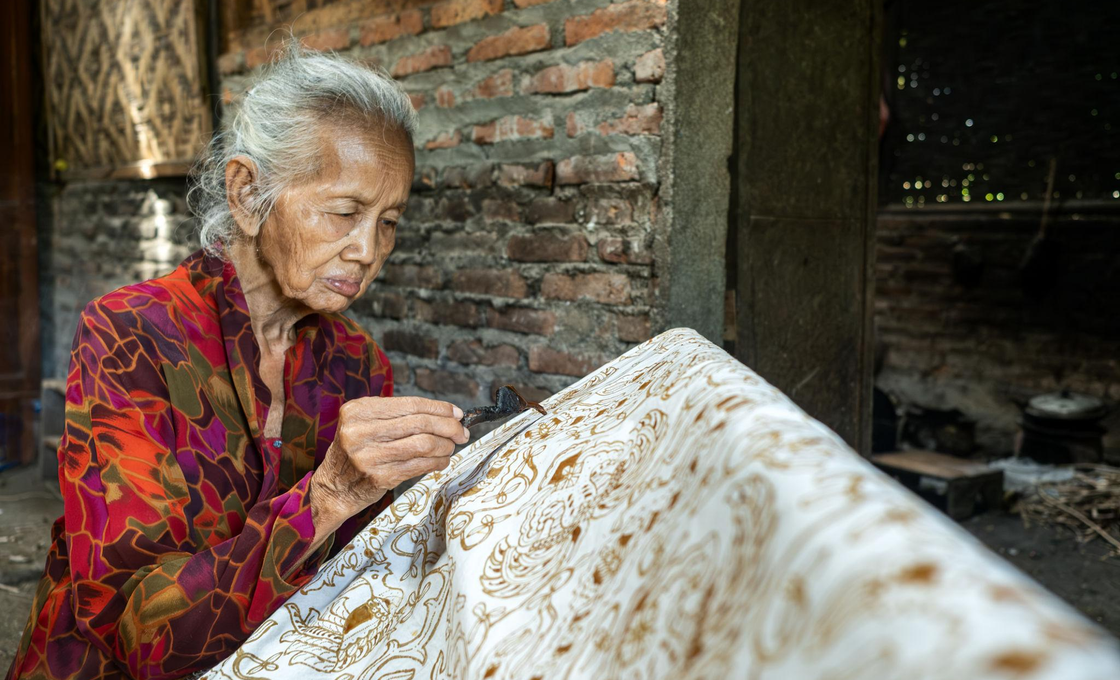
Yogyakarta is one of Indonesia’s most important cultural destinations. Its royal heritage, traditional performances, and craft communities provide a fascinating introduction to Javanese artistic traditions.
Batik is among the region’s most recognisable art forms. Artisans apply hot wax to fabric using a tool called a canting or a stamping technique before colouring the material through a series of processes. Traditional patterns can carry symbolic meanings connected to nature, philosophy, social identity, and historical court traditions.
Travellers can visit workshops, learn about the production process, and purchase handmade textiles directly from local makers. Supporting authentic craft businesses helps preserve skills passed between generations.
Solo: Royal Traditions and Traditional Crafts
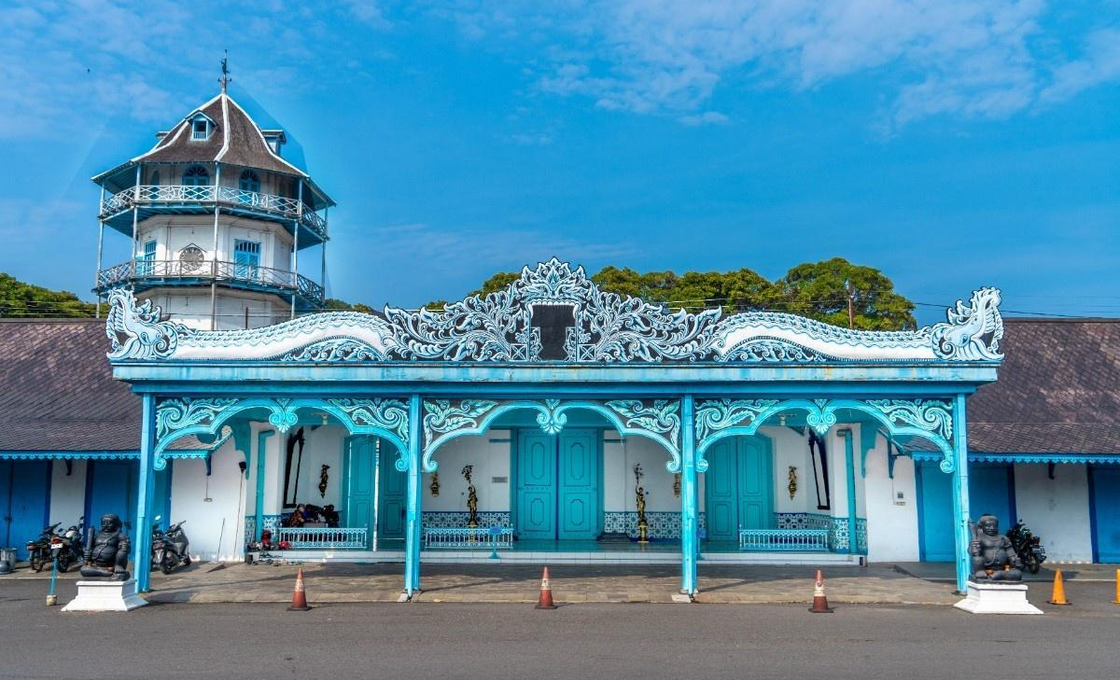
East of Yogyakarta, Solo, also known as Surakarta, offers another perspective on Javanese royal culture.
The city is associated with the Kasunanan Palace and Mangkunegaran Palace, where historical architecture, court traditions, and cultural performances remain important parts of its identity. Solo is also known for distinctive batik styles, including patterns associated with royal heritage.
A relaxed visit might include a palace tour, a batik workshop, and an evening enjoying traditional Javanese food. Allow time to explore smaller craft businesses rather than limiting the experience to major attractions.
Kota Tua, Jakarta: Walking Through Colonial History
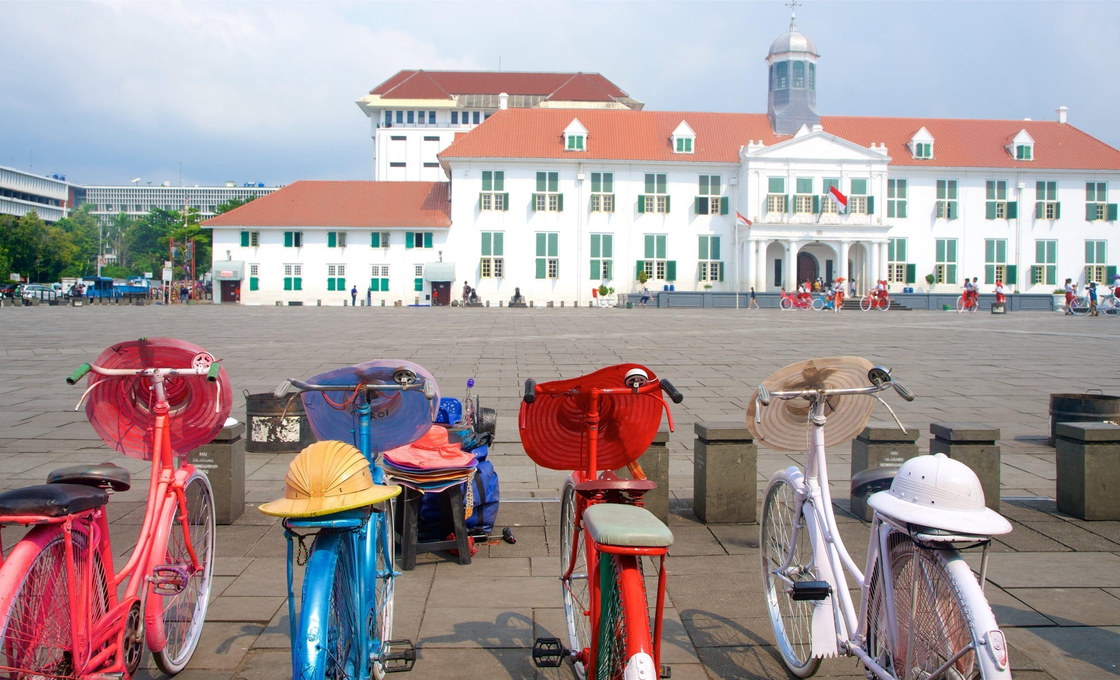
In Indonesia’s capital, Kota Tua Jakarta offers a different cultural experience. Its historic buildings and public squares reflect Jakarta’s development as a major trading port during the colonial period.
Fatahillah Square is a natural starting point, surrounded by historic architecture and museums. Visitors can explore the Jakarta History Museum and other cultural institutions to learn about the city’s complex past.
The area is especially enjoyable on foot. Take time to appreciate the buildings, visit local cafés, and discover how the historic district is being used and revitalised today.
Discovering Indonesia Through Regional Food
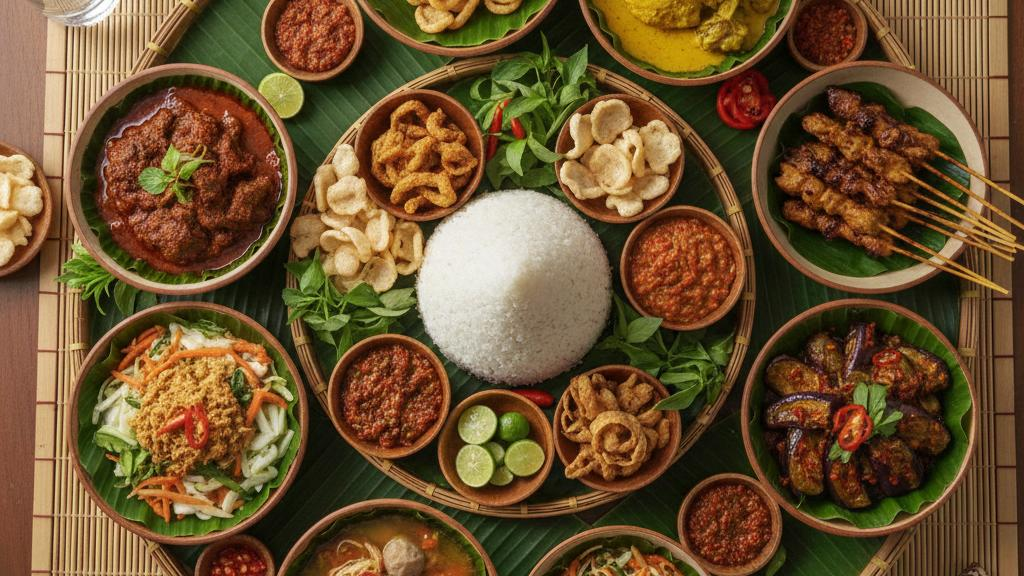
Food is one of the most rewarding ways to understand Indonesia’s regional differences. Each island has its own ingredients, cooking techniques, and flavour traditions.
In Tana Toraja, locally grown highland coffee is a highlight. Toraja coffee is appreciated for its distinctive flavour profile and connection to the region’s mountainous agricultural landscape.
Yogyakarta offers gudeg, a slow-cooked jackfruit dish often served with rice, chicken, egg, and accompanying sauces. Solo is famous for nasi liwet, a fragrant rice dish traditionally served with coconut milk-based accompaniments.
Further west, Sumatra introduces visitors to rich spice combinations. Padang cuisine, particularly rendang, demonstrates the importance of coconut milk, chilli, and aromatic spices in regional cooking. Other regional specialities include pempek from Palembang and mie gomak from North Sumatra.
Exploring traditional markets, family-run restaurants, and neighbourhood food stalls provides a more personal culinary experience than visiting only popular tourist restaurants.
Sumatra: A Journey Through Spices and Culinary Heritage
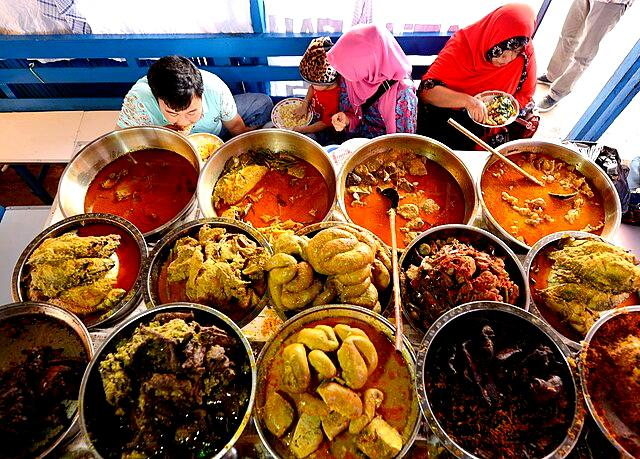
Sumatra’s food culture reflects centuries of trade, agriculture, and regional exchange. In West Sumatra, Minangkabau cuisine is celebrated for its bold use of chillies, coconut milk, turmeric, ginger, and other aromatic spices. Rendang, a slowly cooked meat dish, is one of its best-known creations.
In North Sumatra, visitors can discover Batak dishes and local ingredients around Lake Toba, while Palembang in South Sumatra is famous for pempek, a savoury fish cake served with a distinctive sweet-and-sour sauce.
Food markets are excellent places to discover regional ingredients and cooking traditions. Travellers can ask vendors about unfamiliar dishes, try small portions, and support family-run eateries.
Travel Slowly and Respect Local Traditions
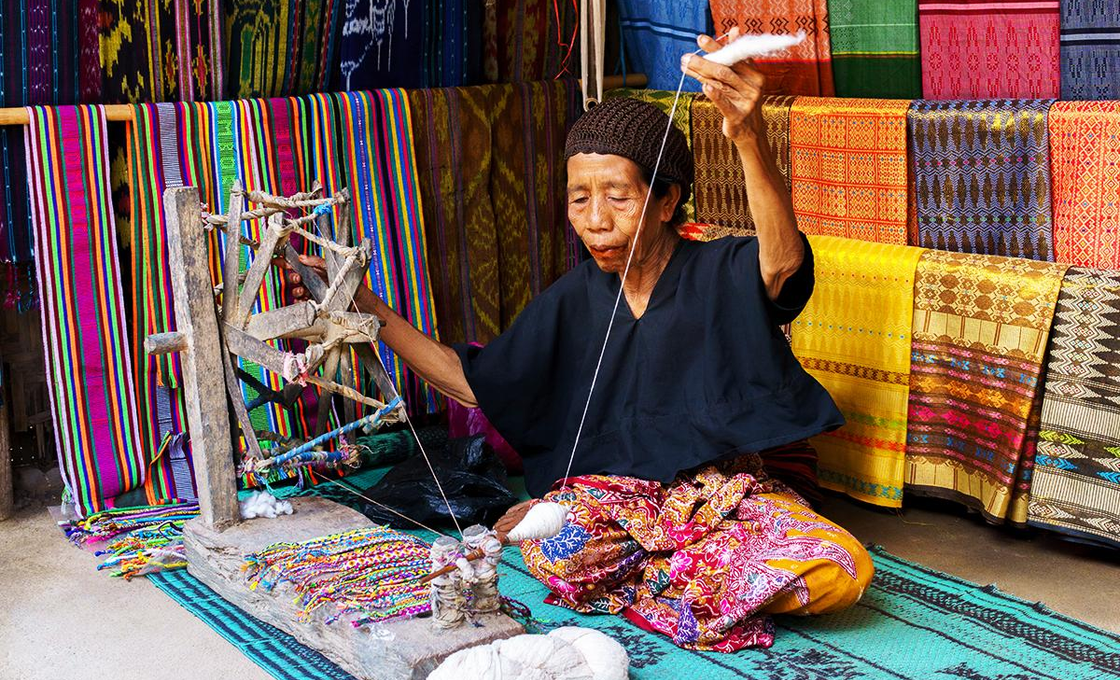
A cultural journey becomes more meaningful when travellers allow time to understand the places they visit. Instead of rushing through several destinations, consider spending a few extra days in a village, joining a locally organised craft workshop, or taking a guided food walk.
A few simple etiquette practices make a difference:
- • Dress appropriately: Cover shoulders and knees when visiting temples, mosques, palaces, and other religious or ceremonial sites. Some locations provide or require a sarong.
- • Ask before taking photographs: Always seek permission when photographing people, private homes, ceremonies, or sacred objects.
- • Respect local customs: Follow instructions from hosts and guides, remove footwear where requested, and use polite greetings.
- • Support local craftspeople: Buy directly from community workshops, choose authentic handmade products, and ask about the techniques behind them.
- • Be considerate at ceremonies: Religious and ancestral events are not tourist performances. Attend only when welcomed and follow the family’s guidance.
- These small choices help ensure that tourism benefits the communities whose traditions make Indonesia special.
Conclusion: Discover Indonesia Through Its People and Traditions
Indonesia’s cultural richness cannot be understood through one island or one itinerary. Tana Toraja reveals the importance of ancestral heritage, Yogyakarta and Solo preserve remarkable Javanese artistic traditions, and Kota Tua Jakarta introduces visitors to the country’s complex urban history. Across these regions, local food adds another dimension to the experience.
For slow travellers and cultural enthusiasts, the most rewarding moments may come from conversations with artisans, meals in family-run restaurants, and time spent learning from local guides. By travelling thoughtfully and supporting community-based experiences, visitors can discover an Indonesia that is as rich in living traditions as it is in natural beauty.

