
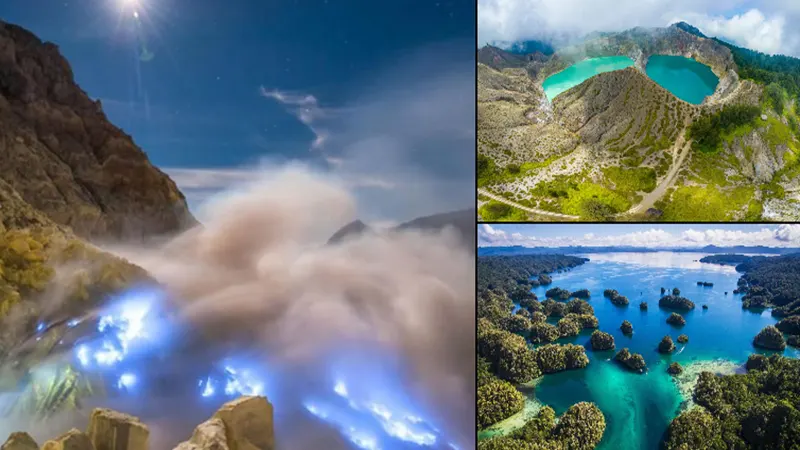
Indonesia’s best adventures do not always begin at its busiest beaches. Beyond Bali’s familiar resorts and Java’s major cities lies a world of steaming volcanoes, colourful crater lakes, rainforest waterways, and remote islands where nature still sets the pace. For adventure travellers, backpackers, and repeat visitors, these destinations offer a chance to experience a quieter and often more challenging side of the archipelago.
Reaching them can require extra planning, domestic flights, boat transfers, and local guides. Yet the reward is extraordinary: watching volcanic landscapes change colour at sunrise, drifting through rainforest rivers, or diving among some of the world’s richest marine ecosystems.
Kawah Ijen, East Java: The Mysterious Blue Fire
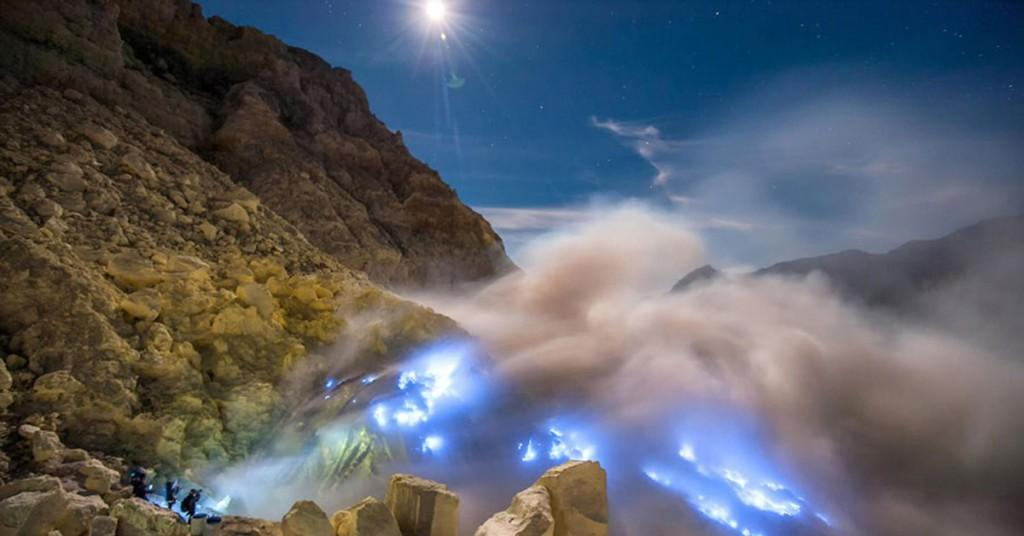
In East Java, Kawah Ijen is famous for its striking turquoise acidic crater lake and the blue flames sometimes visible around its volcanic vents at night. The phenomenon is caused by ignited sulfurous gases, not ordinary blue lava.
The experience usually involves a demanding night hike with steep sections and volcanic fumes. Visitors should check current access conditions, use suitable respiratory protection as advised by local authorities, and follow guide instructions. Blue fire is not guaranteed, and changing volcanic activity can restrict access.
For a broader East Java trip, combine Ijen with Banyuwangi’s beaches, waterfalls, and nearby nature reserves.
Kelimutu, Flores: Three Lakes, Three Colours
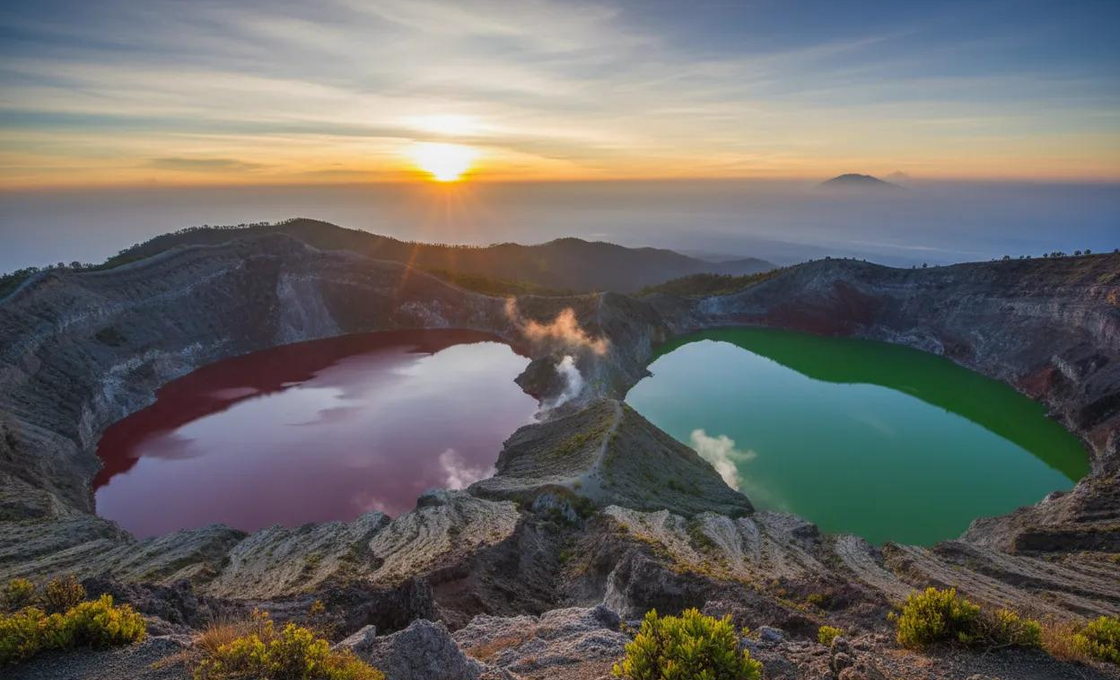
On the island of Flores, Kelimutu National Park offers one of Indonesia’s most unusual volcanic landscapes. Its summit contains three crater lakes, each of which can display different colours as mineral chemistry and volcanic conditions change.
Many visitors arrive before sunrise to watch the changing light spread across the lakes. The nearest popular base is Moni, a small village that provides access to the mountain and a quieter introduction to Flores.
The lakes are not permanently fixed in colour, making every visit a little different.
Samosir Island and Lake Toba, North Sumatra
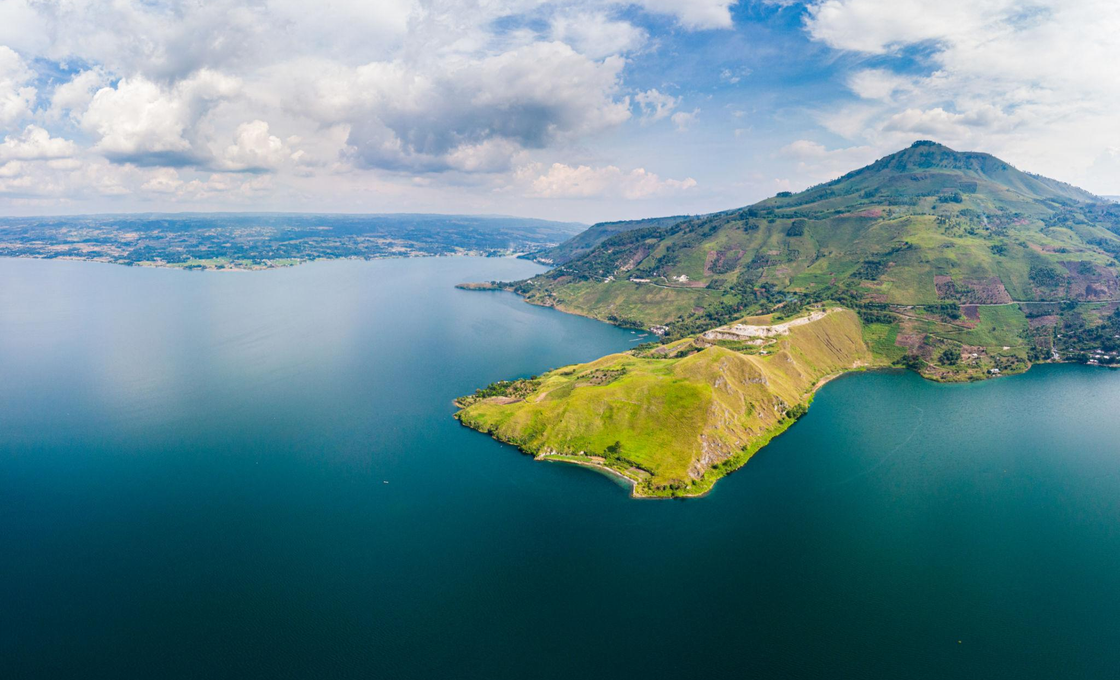
For a slower adventure, travel to Lake Toba, an enormous volcanic lake formed within a caldera. At its centre lies Samosir Island, where visitors can explore Batak cultural heritage, traditional villages, lakeside scenery, and mountain roads.
Samosir is ideal for travellers who want to spend several days exploring rather than moving between attractions every morning. Local guesthouses, cycling routes, and cultural experiences make it a rewarding backpacking stop.
Tanjung Puting, Kalimantan: Orangutans by Riverboat
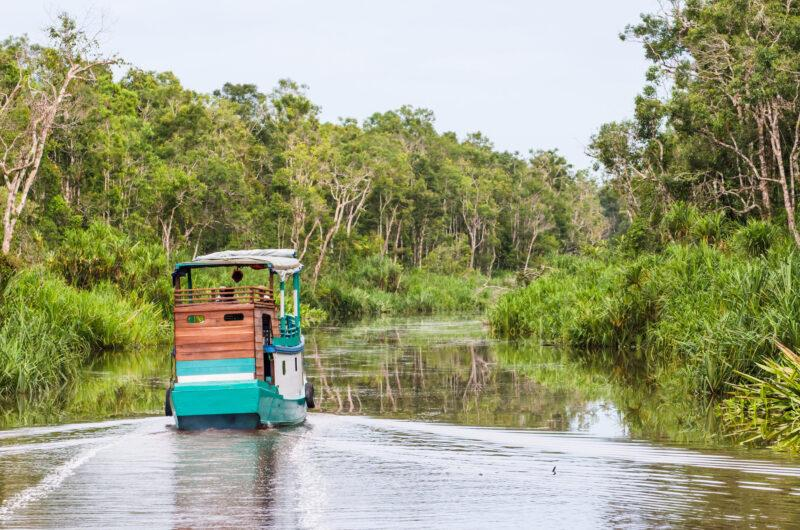
In Indonesian Borneo, Tanjung Puting National Park offers a very different adventure. Travellers explore rainforest waterways aboard traditional wooden boats known as klotok, often spending several days travelling along the Sekonyer River.
The forest is home to orangutans, proboscis monkeys, birds, and other wildlife. Visitors may have opportunities to observe orangutans at designated locations, but sightings in the wild are never guaranteed.
Choose responsible operators who follow park rules, maintain safe distances from animals, and avoid encouraging direct contact or feeding. A river journey here is as much about appreciating the rainforest ecosystem as seeing its famous residents.
Raja Ampat, Southwest Papua: A Marine Wonderland
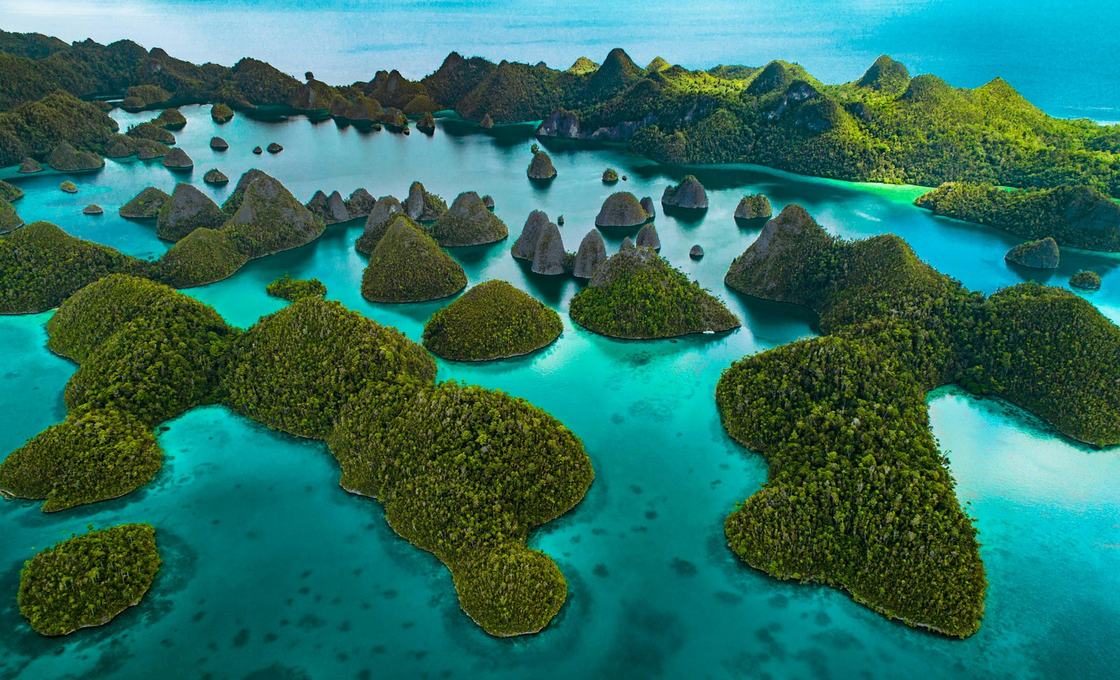
For divers and snorkellers, Raja Ampat is one of the most spectacular marine destinations on Earth. Its limestone islands, clear lagoons, coral reefs, and extraordinary marine biodiversity attract underwater enthusiasts from around the world.
Reaching Raja Ampat generally involves flying to Sorong and continuing by ferry or boat to the islands. Because accommodation and transport can be spread across remote locations, travellers should arrange transfers before arrival.
The region is best explored slowly, with time for diving, snorkelling, village visits, and responsible encounters with its marine environment.
Sombori Islands, Southeast Sulawesi: Remote Karst Scenery
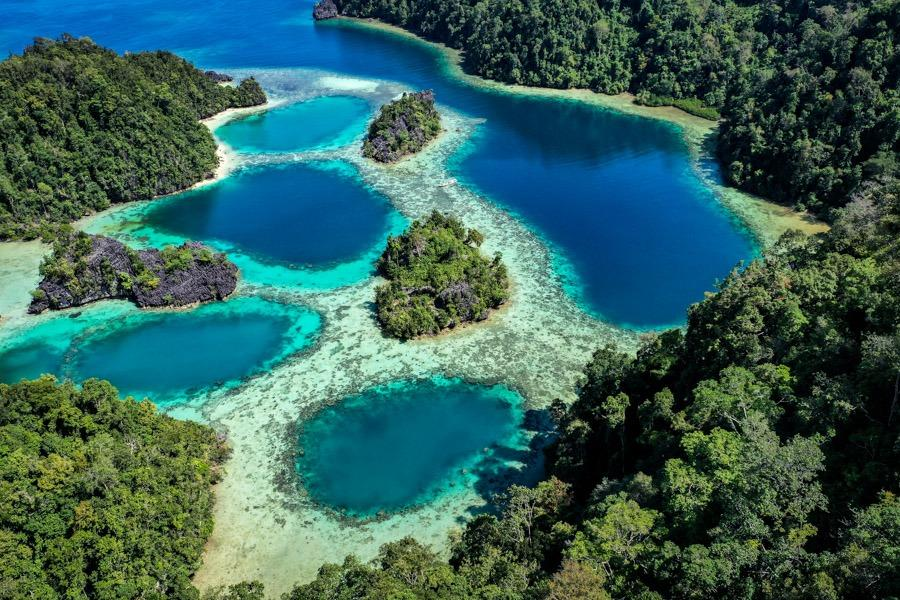
The Sombori Islands offer a quieter alternative for travellers drawn to dramatic island scenery. Towering limestone formations rise from turquoise water, creating hidden lagoons, small beaches, and sheltered passages.
Boat trips are the main way to explore the area. Depending on the operator and sea conditions, visitors can enjoy swimming, snorkelling, viewpoints, and quiet coastal stops.
Unlike more developed destinations, facilities may be limited. Bring essentials, confirm boat arrangements, and avoid leaving rubbish behind.
Planning an Adventure Beyond Indonesia’s Main Tourist Routes
Remote destinations require more preparation than a conventional beach holiday. Domestic flights may connect you to regional hubs, but the final journey can involve ferries, road transfers, chartered boats, or several hours of travel. Build flexibility into your schedule, particularly when weather affects sea crossings or mountain access.
Hiring experienced local guides is especially important for volcanic hikes, rainforest expeditions, and remote island trips. Ask about safety equipment, permits, environmental practices, and what happens if conditions change.
Travel responsibly by respecting local customs, supporting locally owned accommodation and operators, avoiding wildlife contact, and choosing reef-safe practices. Pack reusable essentials and take your rubbish with you.
Indonesia’s hidden gems are not simply places to escape crowds. They are living landscapes and communities that deserve thoughtful exploration. With realistic planning and respect for nature, these journeys can become some of the most memorable experiences in the archipelago.

